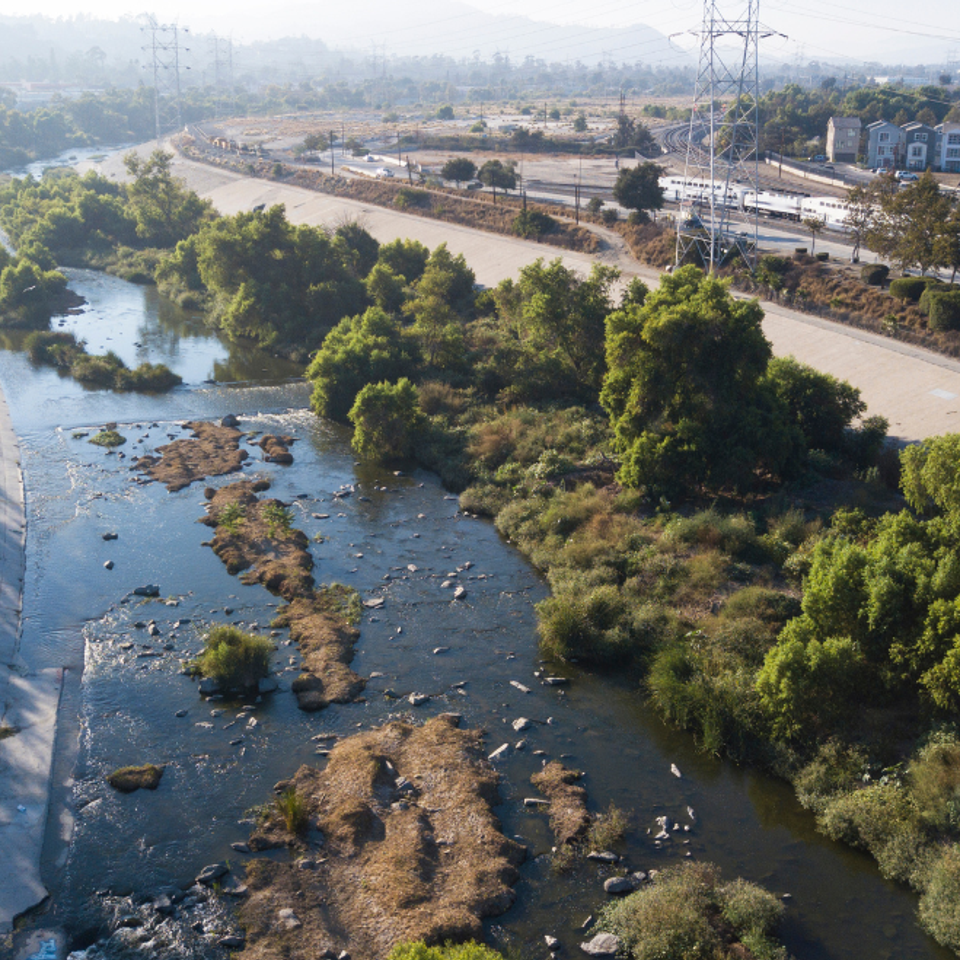
Are you involved in LA River restoration? We want to amplify your work!
LARiver.Restoration.ICU is looking to partner with local organizations, educators, and volunteers to showcase restoration projects, create educational resources, and engage the community. If you or your organization is working on river restoration, let’s connect!
Contact us at: LARiver.Restoration.ICU #LARiver #CleanWater #OpenSpace #EcoRestoration #SustainableCities #RewildLA
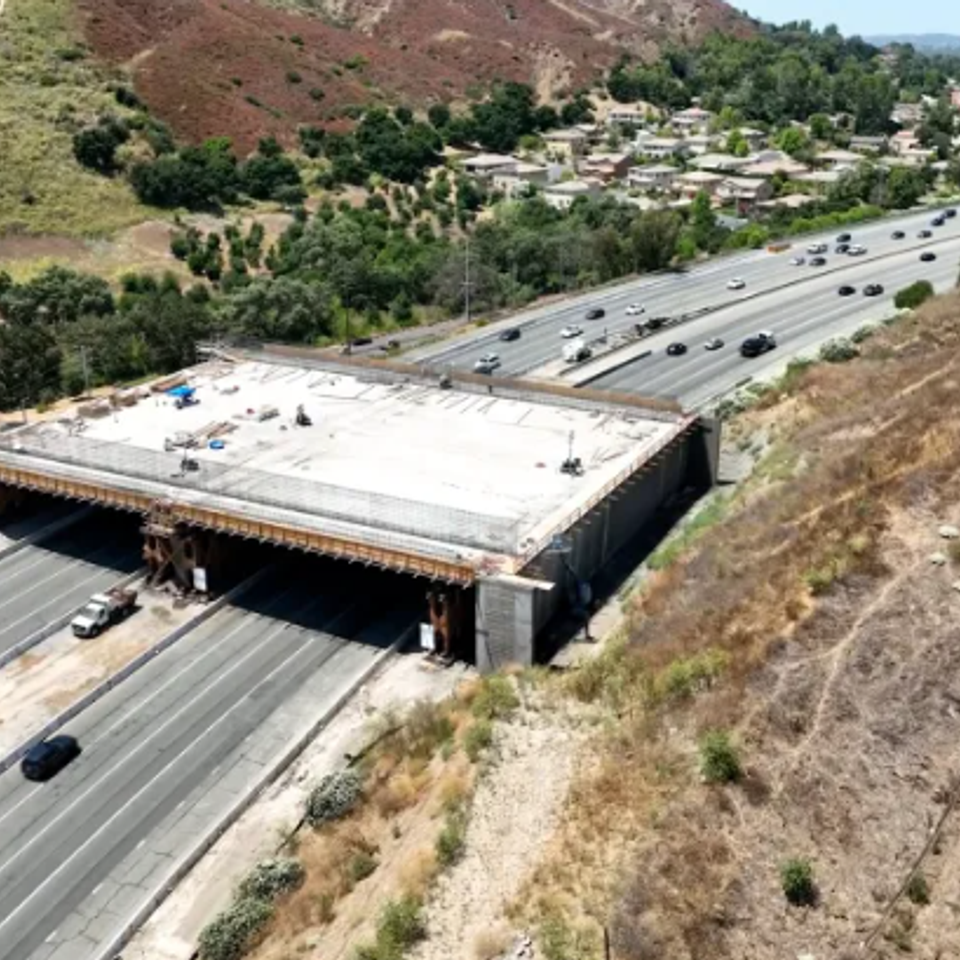
Los Angeles is a city of stars, but one of its most legendary figures wasn’t an actor or musician: it was a mountain lion. P-22’s amazing journey across LA’s freeways to make a home in Griffith Park turned him into a symbol of resilience, inspiring an unprecedented effort to reconnect fragmented wild habitats nationwide.
This video tells the story of how one fearless cougar sparked a national movement to restore and protect wildlife corridors and led to the construction of the world’s largest wildlife crossing here in Southern California (101 Fwy, Calabasas, CA)
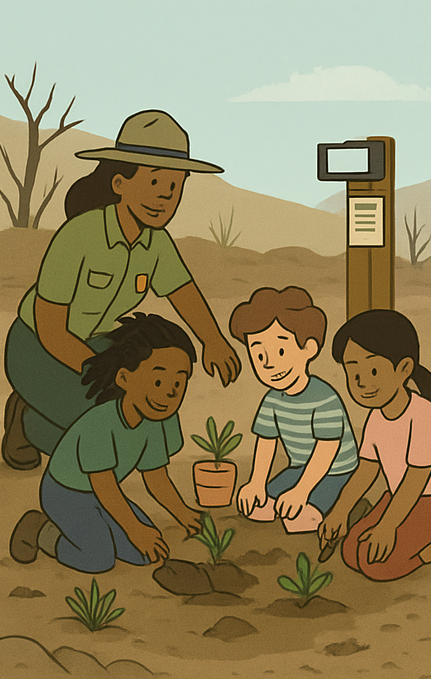
Restoration.ICU envisions a future network of Post-Fire Restoration Watch Stations -- publicly accessible places where communities, agencies, and land stewards choose to document how fire-damaged landscapes recover over time.
This concept builds on the proven Chronolog model already in use at sites like Point Mugu State Park in the Santa Monica Mountains Recreation Area, Malibu Legacy Parkand Malibu Bluffs Park (Malibu, CA), and Peters Canyon Regional Park (Orange County, CA), where fixed camera mounts allow visitors to take aligned photos that are stitched into long-term time-lapse records of ecological change.
Applied thoughtfully after wildfire, similar stations could help chronicle soil healing, runoff, vegetation return, and community-led restoration, offering a respectful way to learn from recovery while supporting broader efforts in Community Recovery and Resilience.
Southern California’s soil once teemed with life, connecting plants, microbes, and pollinators in a thriving web. Urban growth and industrial farming have severed those natural ties, leaving behind paved ground, polluted runoff, and sterile fields.
FloralReef.org is working to reverse that decline—rebuilding living soil and creating small “reefs” of pollinator habitat in schoolyards, backyards, and roadsides. Each patch becomes a refuge for bees, butterflies, and native plants—and a step toward restoring the balance our environment depends on.
No lofty environmental promises, just small, careful acts of stewardship, reviving patches of land to make them useful, beautiful, and alive again. Each restored space protects what’s fragile, welcomes wildlife, and becomes a place to share with others and hand down to future generations.
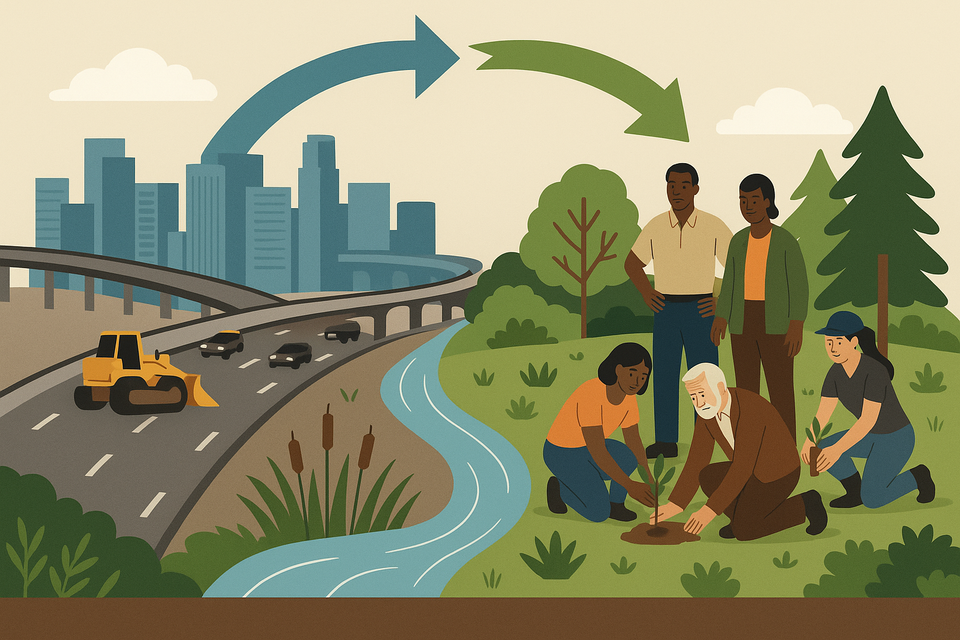
Los Angeles can become a world model for ecological accountability—turning development into a driver of restoration rather than destruction.
By linking financial tools like mitigation banking with community-powered storytelling through Chronolog, we can show the world that progress and restoration can coexist.
When visitors arrive for the World Cup and Olympics, let them see more than new stadiums and highways.
Largest Tidal Habitat Restoration in California History
By Amy Graff, Senior News Editor, SFGate, Sep 23, 2024
Lookout Slough marks “the largest tidal restoration project in California history,” Wade Crowfoot, California’s natural resources secretary, said in a video posted on social media. The tearing down of the levee is among the final steps in a public-private project to restore tidal land — which was turned over to farmers and duck hunters — to its natural state.